Average CTR
3 featured video projects
 Start a project
 3 featured video projects
2 projects with comparable data
Reported audience reach
Design · content · platforms
Averages use comparable published metrics from the selected projects shown below · Channel views is presented as a reported total
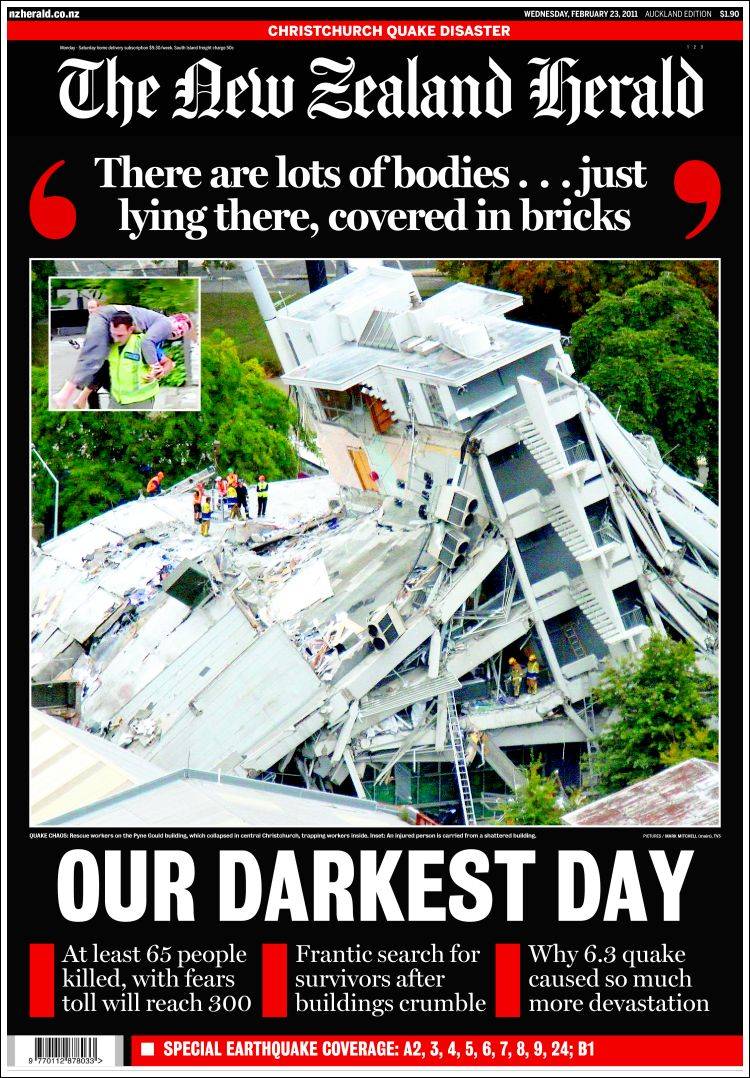
In a moment of national tragedy, the front page needed to communicate the gravity of the situation with sensitivity and clarity. One powerful image, a restrained palette and an uncompromising headline created an immediate emotional and informational hierarchy—without overwhelming the reader.
1.5 seconds to earn attentionFewer words · One image that speaks volumes
Recognised the key message
Identified The New Zealand Herald
Identified the intended reading path
Sensitive editorial judgment · Clear hierarchy · Immediate understanding
Reader-response figures supplied by the designer. Front page shown for portfolio documentation; publication and photographic rights remain with their respective owners.
Historical contextThe strongest work directs attention, clarifies meaning and moves people toward action—often before they consciously notice why
I combine design, development, platform management and performance insights to take digital experiences from concept to measurable growth
From the first impression to the final frame
An educational video explaining how positioning and attachment can contribute to breastfeeding pain, with practical latch guidance designed to make feeding more comfortable.
A clear product walkthrough showing how to position and use the Haakaa Gen 2 to collect leaked milk comfortably, simply, and without adding extra effort to a feeding routine.
A survivor-led story moving from fear and family motivation to seven years cancer-free, ending with encouragement for people in treatment and an urgent reminder that routine screening can save lives.
Sue emphasizes that breast cancer can happen to anyone—a mother, sister, friend, or neighbor.
Use this as a cold open or title-card sequence to establish universal empathy before entering her personal story.
Sue recalls surgery followed by six weeks of radiation, and how the emotional impact returns every October.
Shift the pacing, introduce reflective B-roll, and use restrained on-screen text to show the reality of long-term recovery.
She describes the raw fear and uncertainty she felt when she initially believed cancer meant death.
Cut closer to her expressions, reduce the music, and let quiet pauses carry the emotional weight.
Her greatest fear was leaving her family behind, which became the motivation to fight and survive.
Frame this as the emotional turning point, supported by warm family imagery and a restrained music lift.
Sue celebrates reaching seven years cancer-free while acknowledging the tension of ongoing annual screenings.
Balance celebration with the continuing reality of survivorship and follow-up care.
She reassures people in treatment: “You will get through it,” and encourages them to accept help.
Shape this into a standalone short-form clip or a bold quote-card moment for social channels.
Joining Haakaa around the time of her cancer-free diagnosis gave Sue a positive new focus.
Lift the visual tone with brighter grading and uplifting music to communicate renewal and purpose.
With no palpable lump or symptoms, Sue’s cancer was found early only because she attended a routine free mammogram.
End on this critical takeaway and clearly reinforce the importance of routine screening even when someone feels healthy.
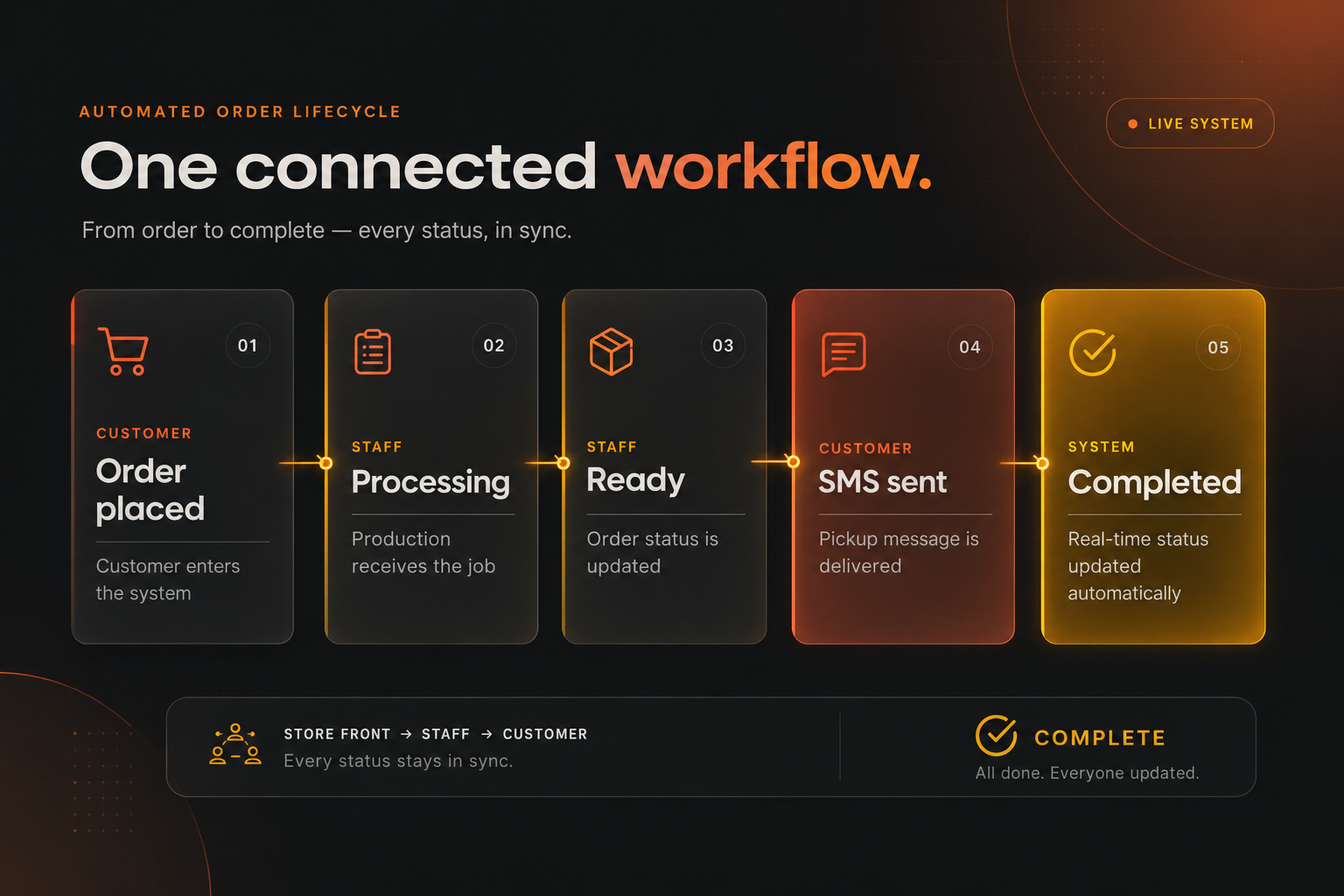
I developed Dashly from concept through to a live platform, applying UX theory and practical design experience to simplify repetitive business workflows. I shaped the product strategy, mapped the complete user journey, designed the interface and implemented the front end.
 Explore interactive board
 I combine creative thinking with hands-on AI experimentation to build smarter workflows, improve customer experiences, and bring ideas to life—from automation and chatbot concepts to content and campaign production
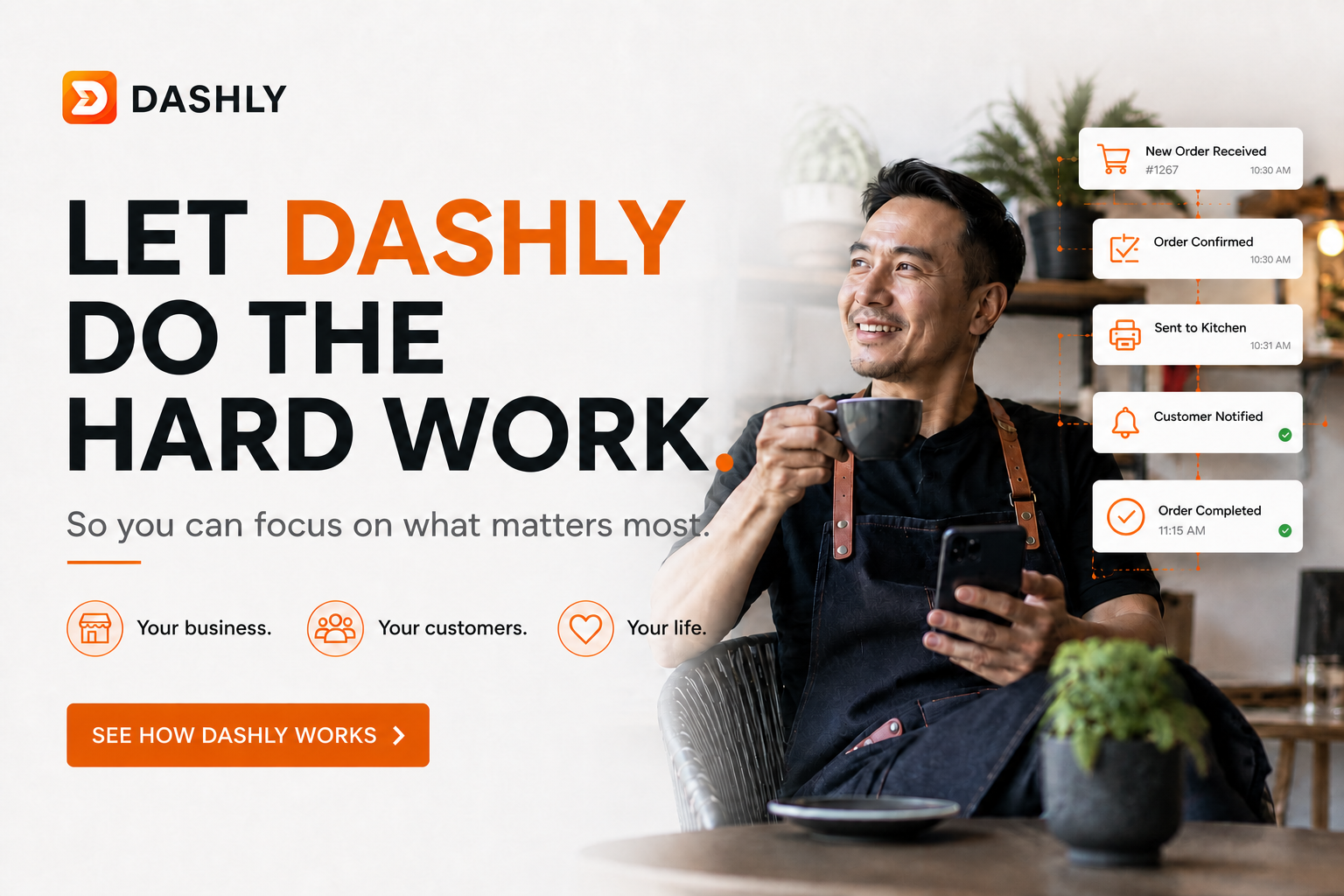
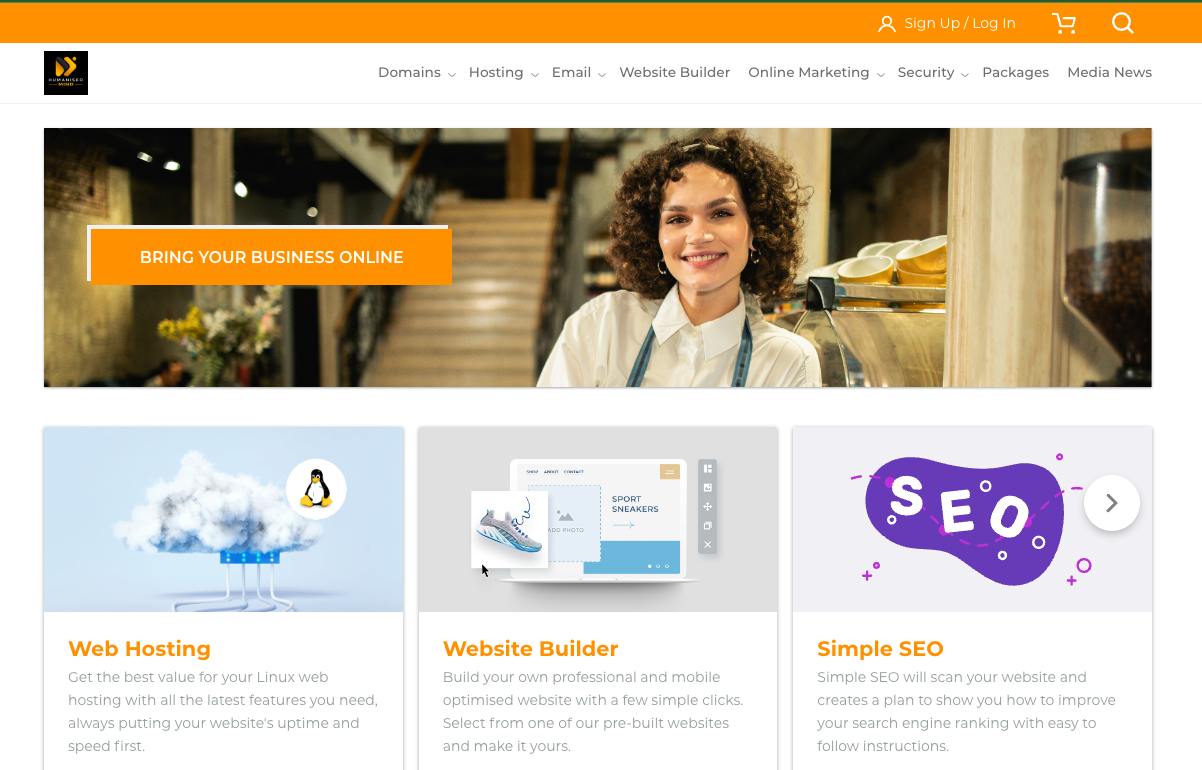
I designed the CMS experience and integrated the platform APIs that power Humanised Mind’s service catalogue. The work connects editable content with domains, hosting, email, security and marketing products in a consistent customer journey.
Clear reporting through human-centred design.
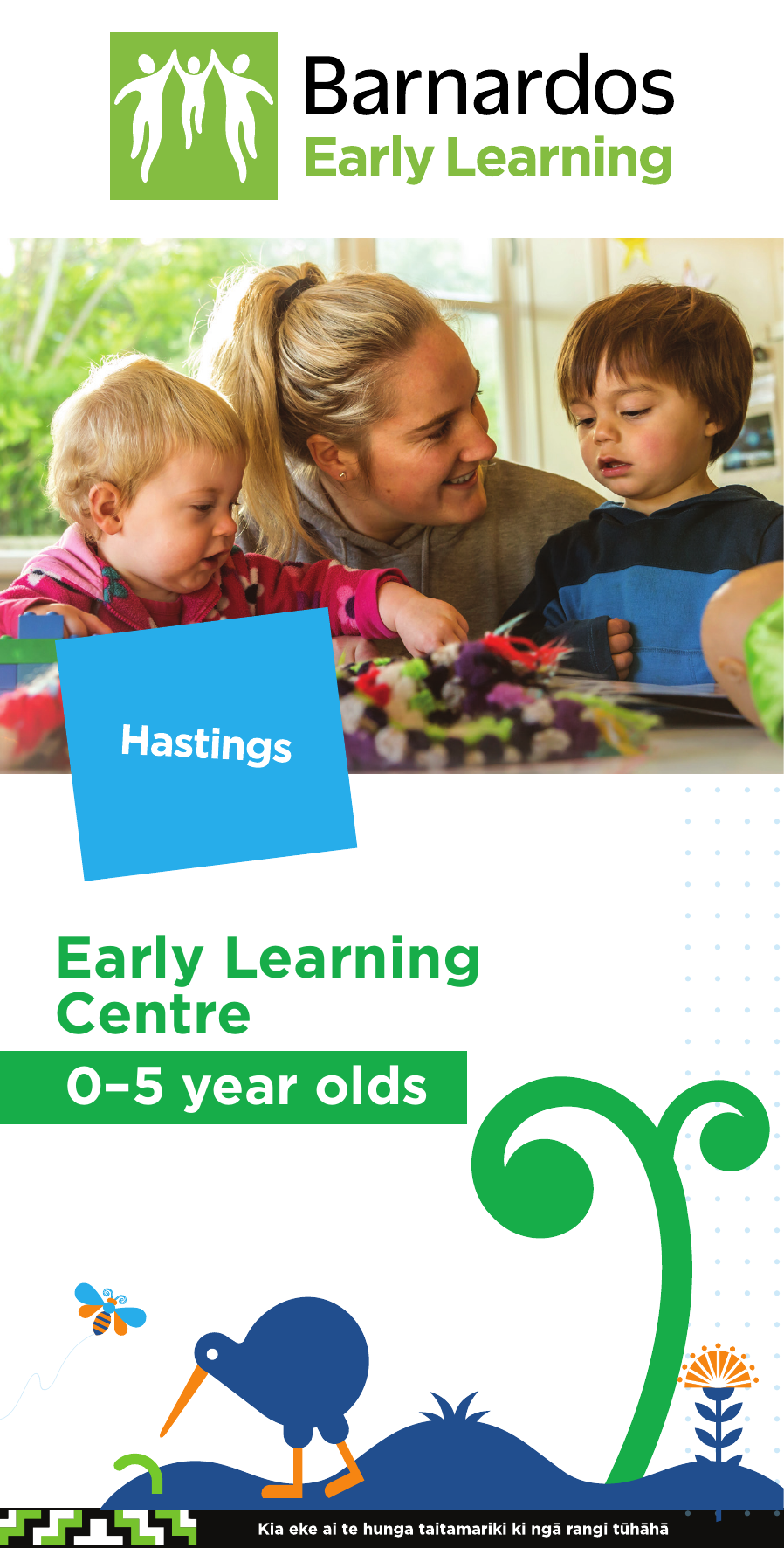
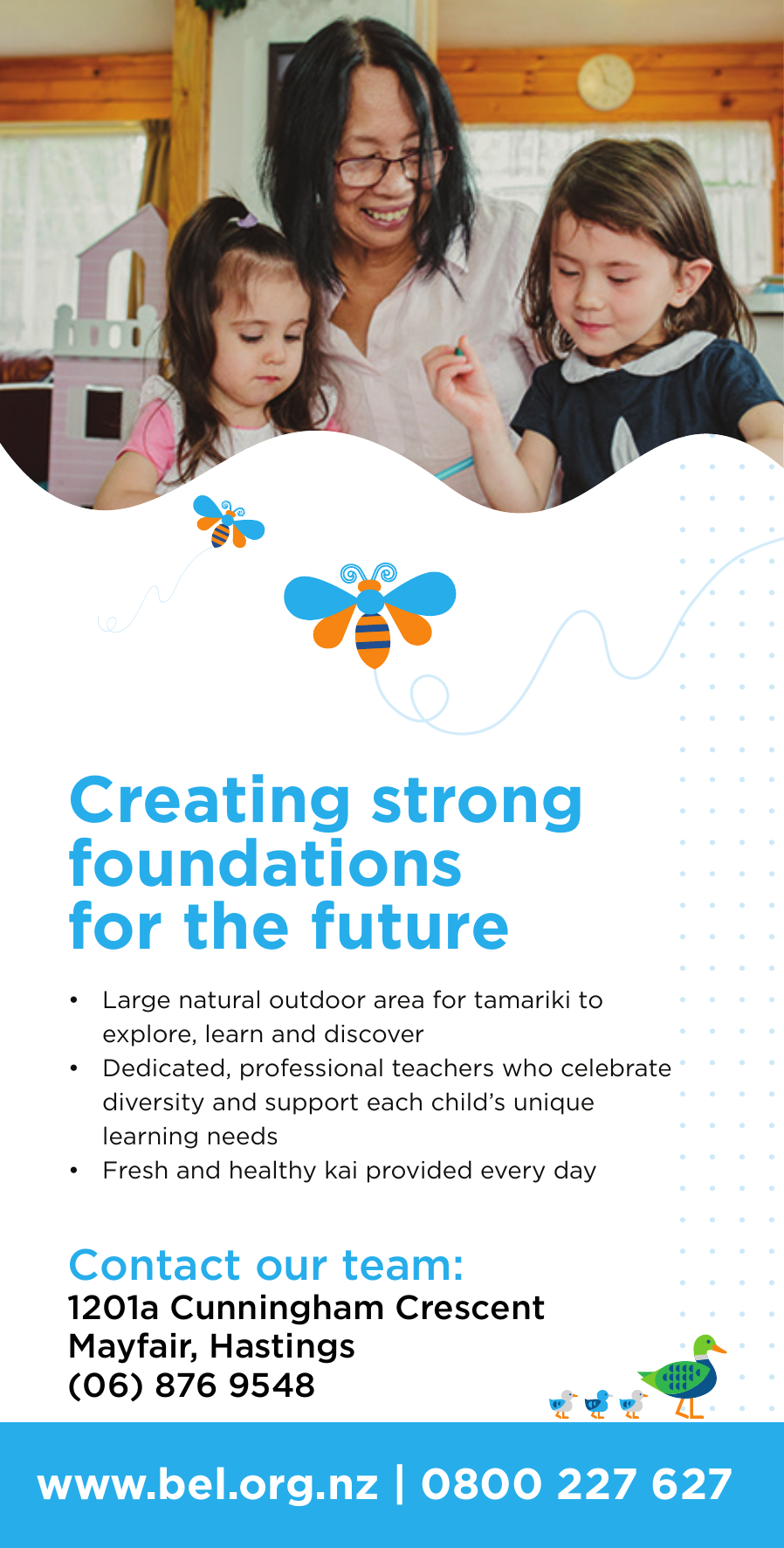
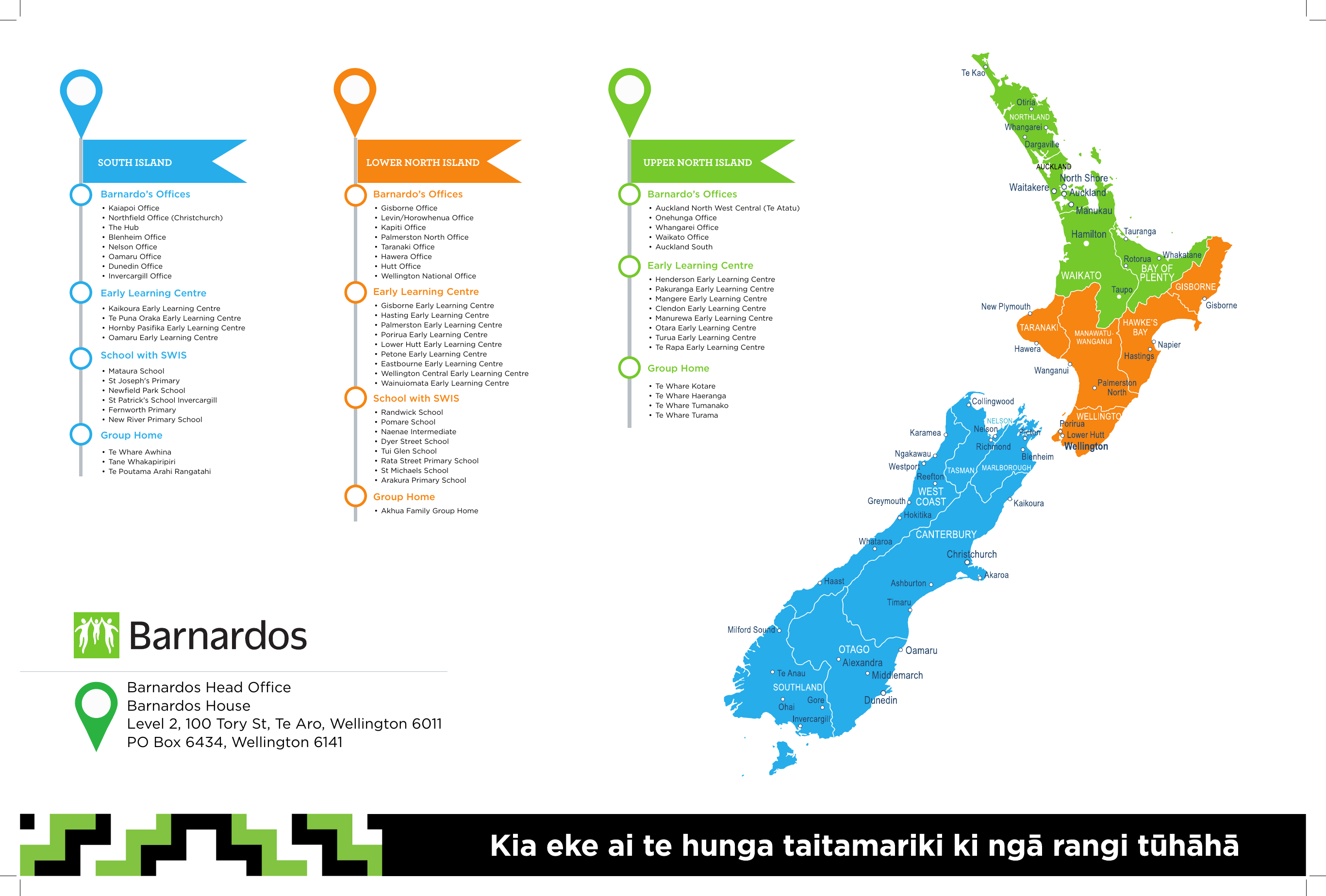
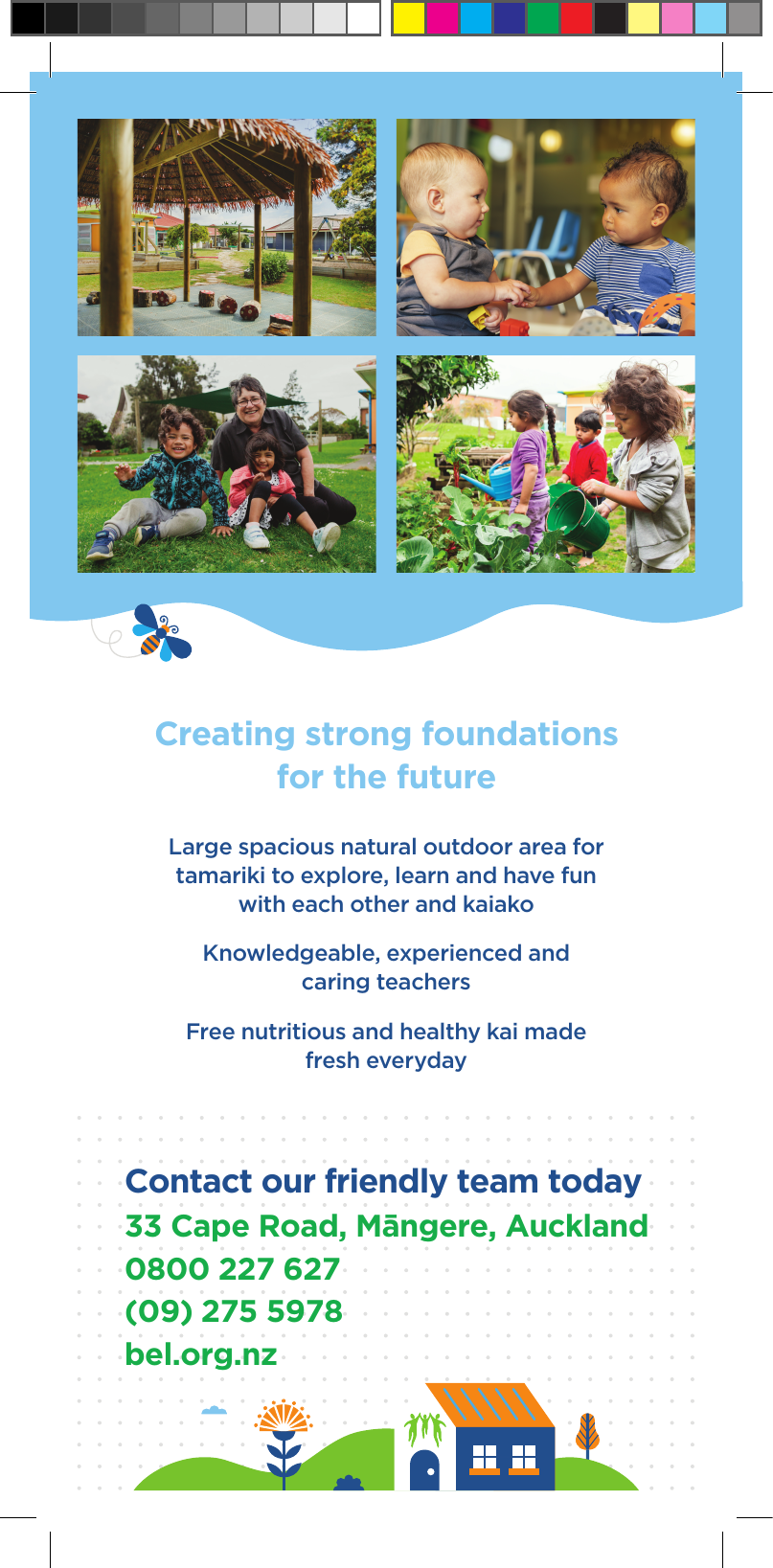
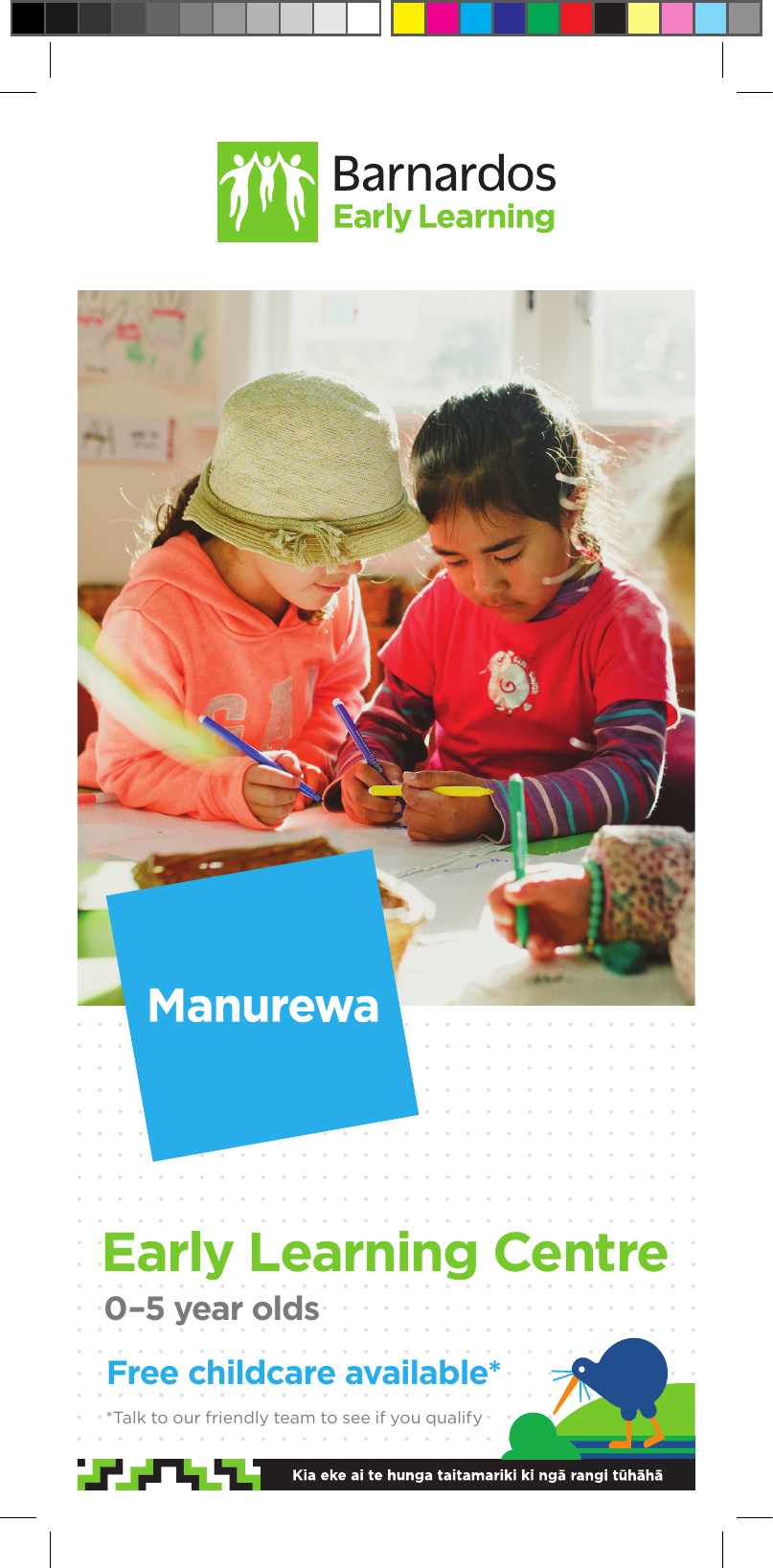
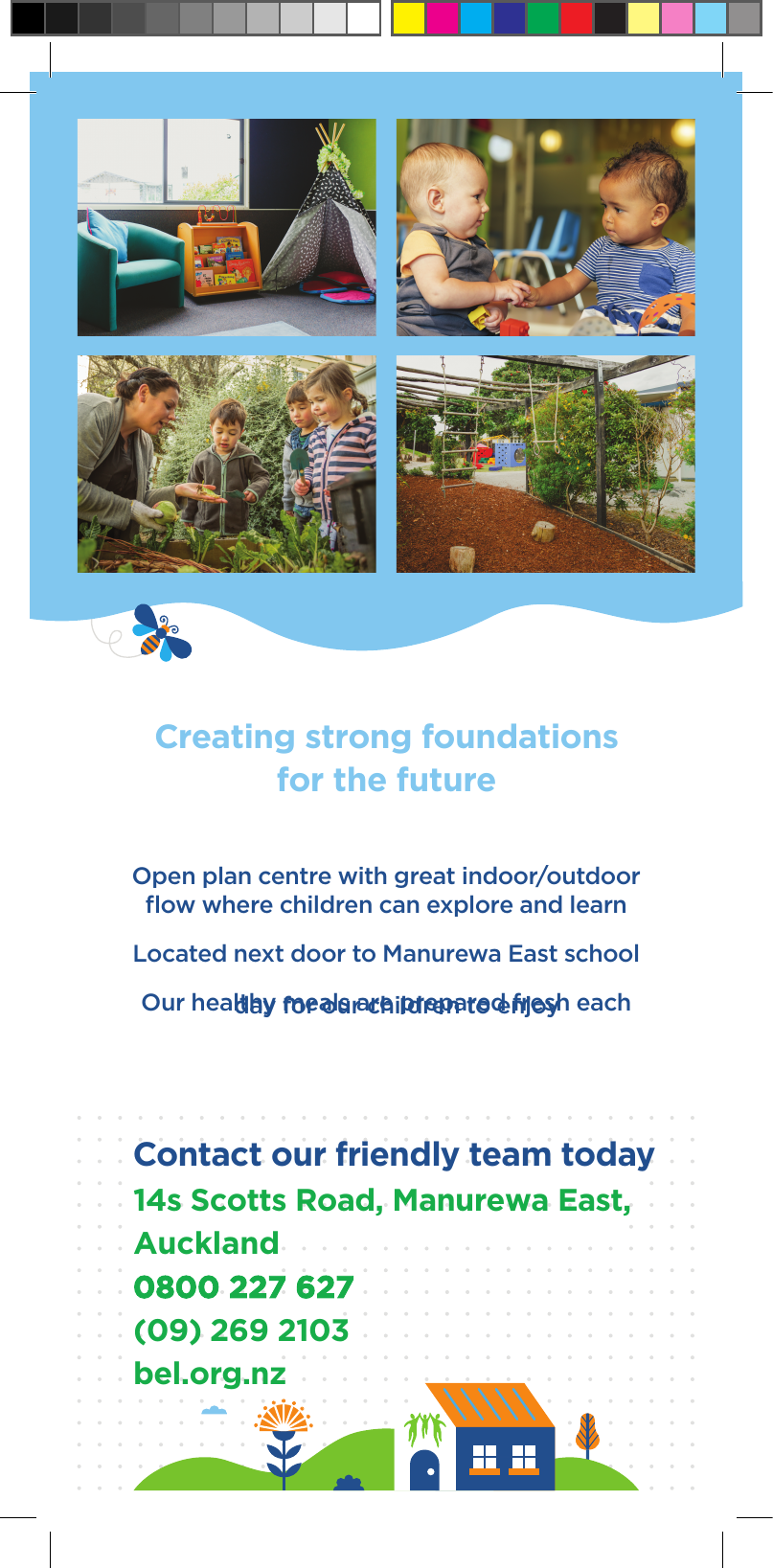
A two-sided print flyer designed to help local mothers and caregivers quickly understand the value of early learning. The bright, reassuring visual language balances child-led energy with practical enrolment information, creating a clear path from first impression to contact.
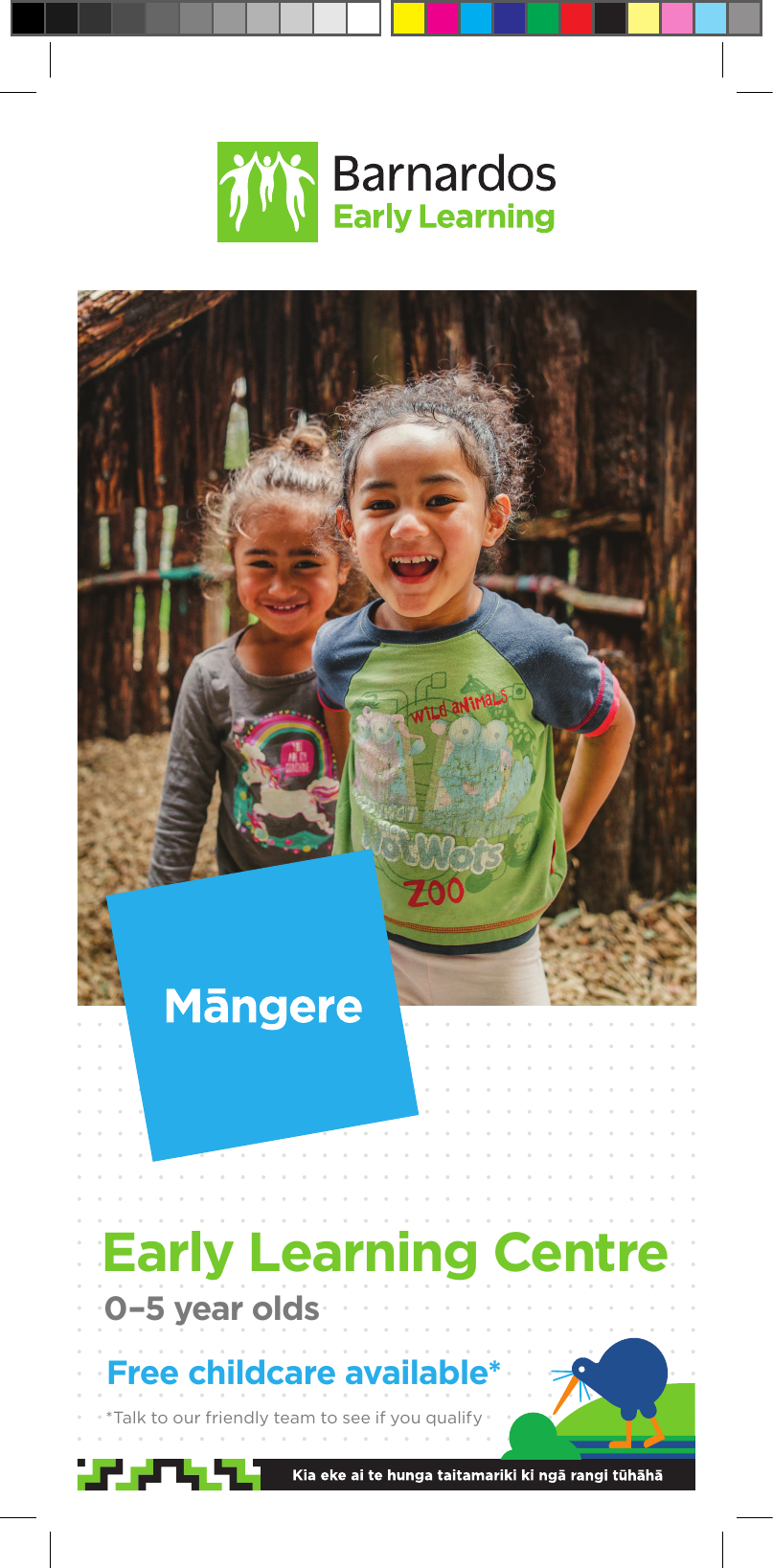
Location-led photography and centre-specific information create relevance while a shared colour, illustration and typography system keeps the campaign recognisably Barnardos
The approach
Distinct visual languages built to stay recognizable across every screen and campaign.
Narrative structures that give every layout, frame, and decision a reason to exist.
Thumbnail and title systems designed around curiosity, clarity, and audience behavior.
Creative variants shaped by analytics, retention signals, and what viewers actually choose.

